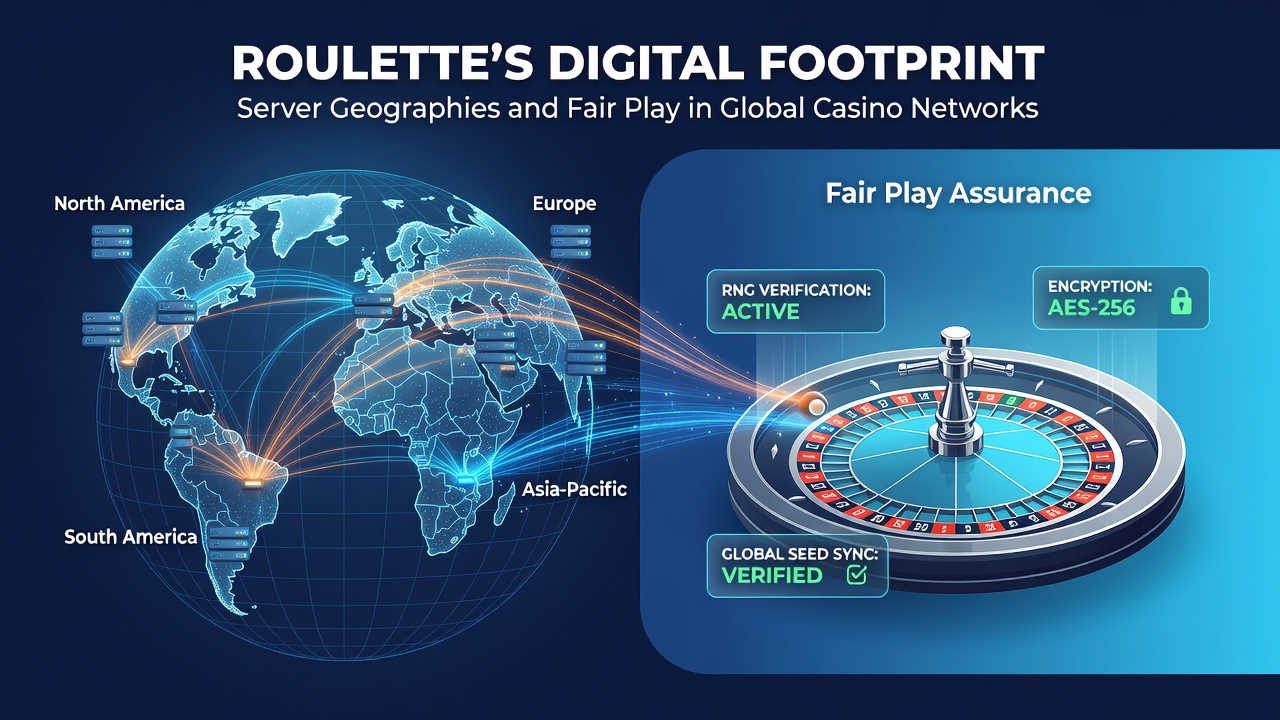
Roulette's Digital Footprint: Server Geographies and Fair Play in Global Casino Networks
Digital roulette platforms rely on server infrastructures spread across specific jurisdictions that dictate everything from data latency to regulatory oversight, and those placements shape how fairness gets verified in real time. Operators position primary data centers in Malta, Gibraltar, and the Isle of Man because these locations offer established licensing frameworks that require independent RNG audits before any game goes live, while North American servers often sit in Nevada or New Jersey to meet state-specific testing standards that update quarterly.
Server Placement Patterns Across Regions
European operators cluster servers near undersea cable landing points in Frankfurt and Amsterdam to reduce round-trip times for players in neighboring countries, and this geography allows regulators to conduct on-site inspections with minimal travel. Data from September 2026 shows continued expansion of facilities in these hubs because new fiber routes have cut average ping rates by measurable margins for cross-continent traffic. In Asia-Pacific markets, servers frequently reside in Singapore and Manila to serve high-volume traffic while complying with local content rules that mandate separate audit trails for each licensed operator.
North American networks follow a different logic, placing redundant servers inside state borders to satisfy laws that prohibit cross-state data routing without additional approvals. Observers note that these constraints create distinct performance profiles, with East Coast players experiencing lower latency when connecting to New Jersey facilities compared with those routed through Midwest backup sites.
Regulatory Oversight and RNG Certification
Independent testing labs maintain offices near major server clusters so they can pull live game logs without relying on remote access that some jurisdictions restrict. The Nevada Gaming Control Board publishes quarterly summaries of certified RNG systems, and those reports list exact seed generation methods plus the statistical thresholds applied during each review cycle. Similar documentation emerges from the Alcohol and Gaming Commission of Ontario, which requires operators to retain raw outcome data for a minimum of five years and to make subsets available for third-party verification on request.
What's interesting is how these overlapping requirements force platform providers to maintain parallel server environments that run identical RNG code yet log events according to each regulator's schema. One study released by a European research consortium in early 2026 examined synchronization accuracy across such mirrored setups and found that timestamp alignment stayed within acceptable tolerances even during peak load periods.
Latency, Redundancy, and Fairness Verification
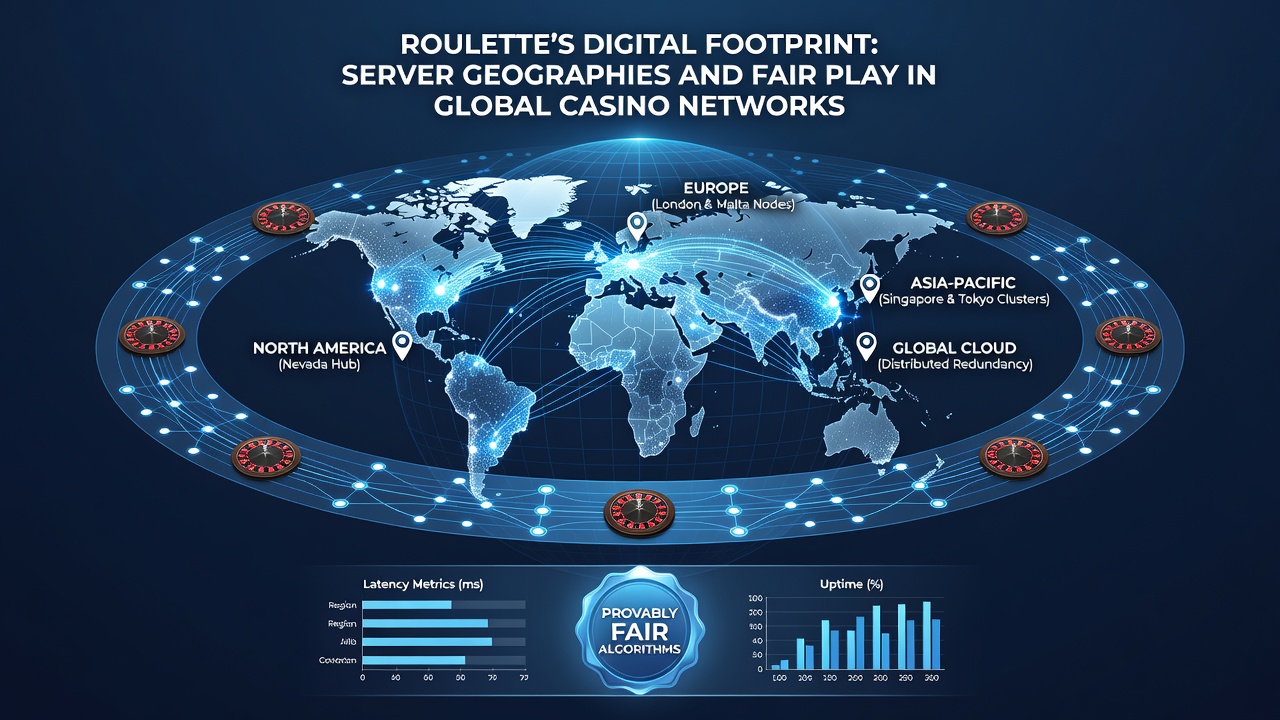
Operators deploy edge servers in additional cities to handle traffic spikes without compromising the primary RNG source, and these secondary nodes pull outcomes from the certified core rather than generating their own. When a player in Australia connects through a Sydney point of presence, the outcome still originates from the licensed Malta or Gibraltar instance, preserving the audit chain. This architecture keeps fairness intact while meeting distance-based performance expectations.
Regulators in multiple jurisdictions now require real-time monitoring dashboards that flag any deviation between expected statistical distributions and observed results. Those dashboards pull directly from server logs stored in the same facilities that host the games, which reduces the chance of data alteration during transfer. September 2026 figures from the International Association of Gaming Regulators indicate that automated alert systems caught several minor synchronization issues before they affected player sessions, prompting immediate firmware updates at the affected sites.
Cross-Jurisdiction Data Handling Practices
Platforms serving multiple continents maintain separate compliance teams for each licensing authority because record-keeping formats differ, yet the underlying RNG algorithms remain consistent. This separation prevents any single regulator from accessing another jurisdiction's proprietary operational metrics while still allowing each authority to confirm that its licensed version meets local standards. Researchers tracking these arrangements have documented how encrypted tunnels between regional servers carry only outcome seeds and timestamps, never player account details, to satisfy privacy statutes that vary by region.
Conclusion
Server geographies ultimately determine which oversight bodies can inspect operations and how quickly discrepancies reach regulators, and the resulting patchwork of requirements has produced standardized testing protocols that travel with the software rather than staying tied to any single location. Continued investment in redundant facilities and synchronized logging systems shows operators adapting to these constraints without altering core fairness mechanisms, while regulators gain clearer visibility into live performance across borders.