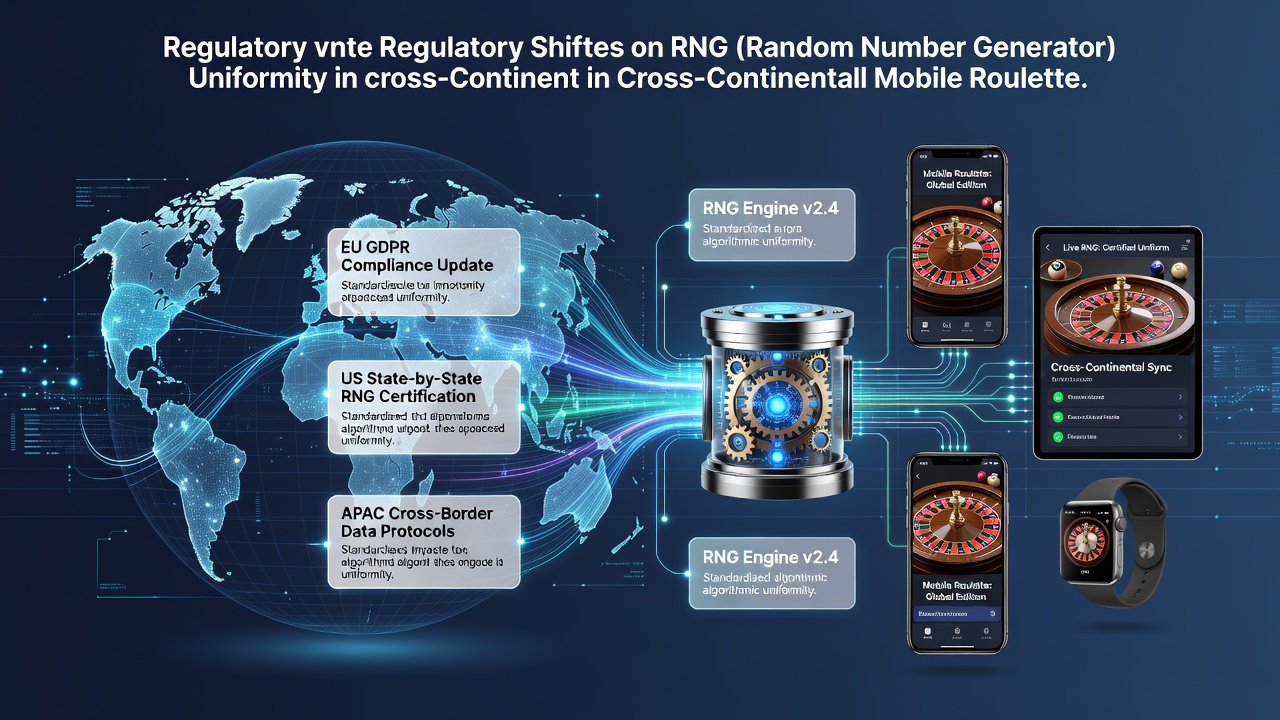
Regulatory Shifts Influencing RNG Uniformity in Cross-Continental Mobile Roulette Deployments
Regulatory frameworks across multiple continents have introduced new requirements for random number generator systems in mobile roulette applications, and these changes affect how operators maintain consistent output standards when deploying games across borders. Data from 2025 shows that certification bodies now demand additional testing layers for RNG algorithms to ensure uniformity, particularly when platforms serve users in regions with differing technical mandates.
European Standards and Their Reach
European regulators have updated testing protocols for RNG modules in mobile casino products, and the Malta Gaming Authority along with the Netherlands Gambling Authority require operators to submit detailed entropy reports before approving cross-border releases. These rules emphasize statistical consistency across thousands of simulated spins, while also mandating that algorithms produce results matching physical wheel distributions within defined variance limits. Observers note that platforms operating under multiple European licenses must now align their RNG seeds and output verification methods with a shared audit framework that began phased rollout in late 2025.
North American Developments
In the United States and Canada, state and provincial regulators have aligned certain RNG evaluation criteria with international benchmarks, yet differences persist in how mobile roulette deployments handle seed generation and audit trails. The Pennsylvania Gaming Control Board and the Ontario Lottery and Gaming Corporation both require third-party laboratories to verify that RNG sequences remain stable when games transition between desktop and mobile environments. Figures from the first half of 2026 indicate that operators serving users across state lines now perform additional synchronization checks to prevent discrepancies in number distribution that could arise from varying network conditions.
Asia-Pacific Requirements
Regulators in Australia and parts of Southeast Asia have introduced guidelines that focus on real-time monitoring of RNG performance in mobile roulette systems, adn these measures complement existing certification processes. The Australian Communications and Media Authority requires operators to maintain logs that demonstrate uniformity across different device types, while Singapore's regulatory framework demands periodic re-testing when platforms expand into new markets. Those who've studied these policies observe that cross-continental operators often centralize their RNG management in one jurisdiction to simplify compliance, then adjust local configurations to meet each region's specific statistical thresholds.
August 2026 Implementation Timelines
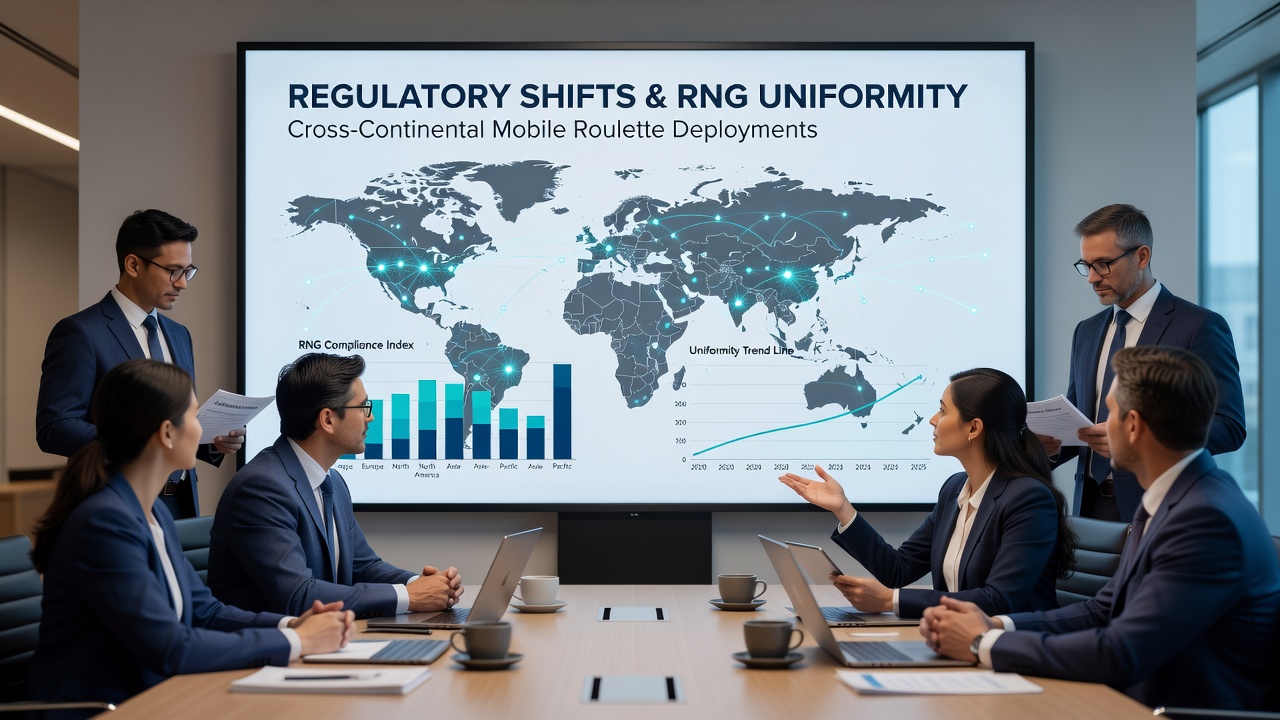
Starting in August 2026, several jurisdictions plan to enforce stricter interoperability standards for RNG systems used in mobile roulette, and these updates will require operators to demonstrate that their algorithms produce equivalent results regardless of the player's geographic location. The European Gaming and Betting Association has published guidance that encourages shared testing protocols among member states, while North American regulators have begun aligning their audit schedules to reduce duplication for multi-jurisdictional providers. Research indicates that companies maintaining centralized RNG servers now face new obligations to segment traffic and verify output consistency during peak usage periods across continents.
Technical Adjustments in Practice
Operators have responded by implementing modular RNG architectures that allow regional customization without altering core randomness properties, and these systems undergo continuous monitoring to detect any drift in number distribution. Case studies from platforms active in both Europe and North America reveal that unified seed management combined with localized verification modules helps satisfy divergent rules. Data shows that mobile roulette applications using these hybrid approaches completed certification faster in multiple markets during the first quarter of 2026 compared with earlier deployments that relied on fully separate RNG instances per region.
Conclusion
Regulatory shifts continue to shape how RNG uniformity is achieved and verified in cross-continental mobile roulette deployments, with new standards taking effect across Europe, North America, and Asia-Pacific regions. Operators must adapt their technical setups to meet overlapping yet distinct requirements, and ongoing coordination among certification bodies supports more consistent outcomes for players regardless of location. These developments reflect broader efforts to maintain integrity in digital gaming environments as mobile platforms expand their reach.